

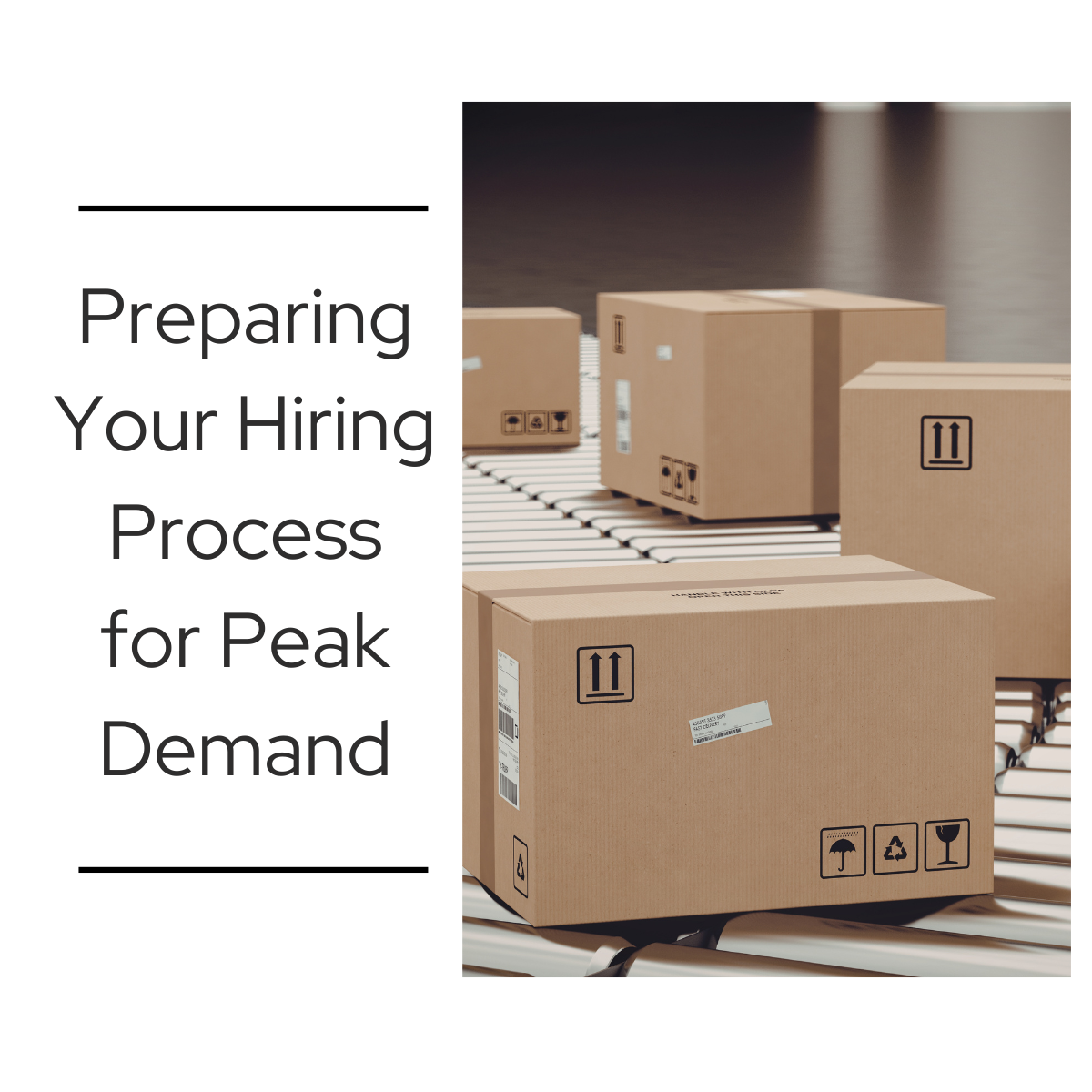
Every year, the same thing happens. Volume increases, orders stack up, and the pressure to staff up fast hits before the hiring process is ready to handle it. The result is rushed decisions, inconsistent onboarding, and workers who are not set up to succeed.
Peak demand is not a surprise. The hiring process should not treat it like one.
Why Reactive Hiring Costs More Than You Think
The instinct during a demand spike is to move fast and figure out the details later. That instinct is expensive.
Workers hired without proper screening are more likely to wash out in the first two weeks. Workers placed into roles without clear expectations create quality and safety issues that take supervisor time and floor capacity to untangle. When your process is reactive by design, you pay for speed in ways that show up across your operation: higher turnover, more rework, and a team stretched thinner than it should be.
Build the Infrastructure Before You Need It
Preparing for peak demand means doing the work during the quiet periods. That includes defining the roles you are most likely to need, the volume your floor can realistically absorb at once, and the onboarding path for each position.
A staffing partner who understands your operation should already be doing this with you. That means maintaining a pre-qualified pipeline, knowing your equipment and quality standards, and being ready to place the right people before you are under pressure to fill seats. If your current partner is not bringing that kind of preparation to the table, it is a fair question to raise.
Consistency Under Pressure Requires Planning
Surge periods expose gaps that were always there but invisible during normal production. Onboarding shortcuts that worked at low volume break down when you are bringing in multiple workers a week. Supervisors who could manage informal orientation for one new hire are overwhelmed when they have a group.
The hiring process you build for peak demand is really just a better version of what you should be running all the time: structured intake, clear role expectations, defined onboarding steps, and consistent communication with your staffing partner. Those are not surge tactics. They are operational standards that make high-volume periods manageable instead of chaotic.
Get Ready Before the Orders Stack Up
If your next peak season is still months away, you have time. If it is closer than that, the window to prepare is now.
A staffing partner who is engaged and informed before demand spikes will serve you far better than one you are calling after the fact. If you are not confident your current process can handle what is coming, get in touch. We can help you build one that does.