

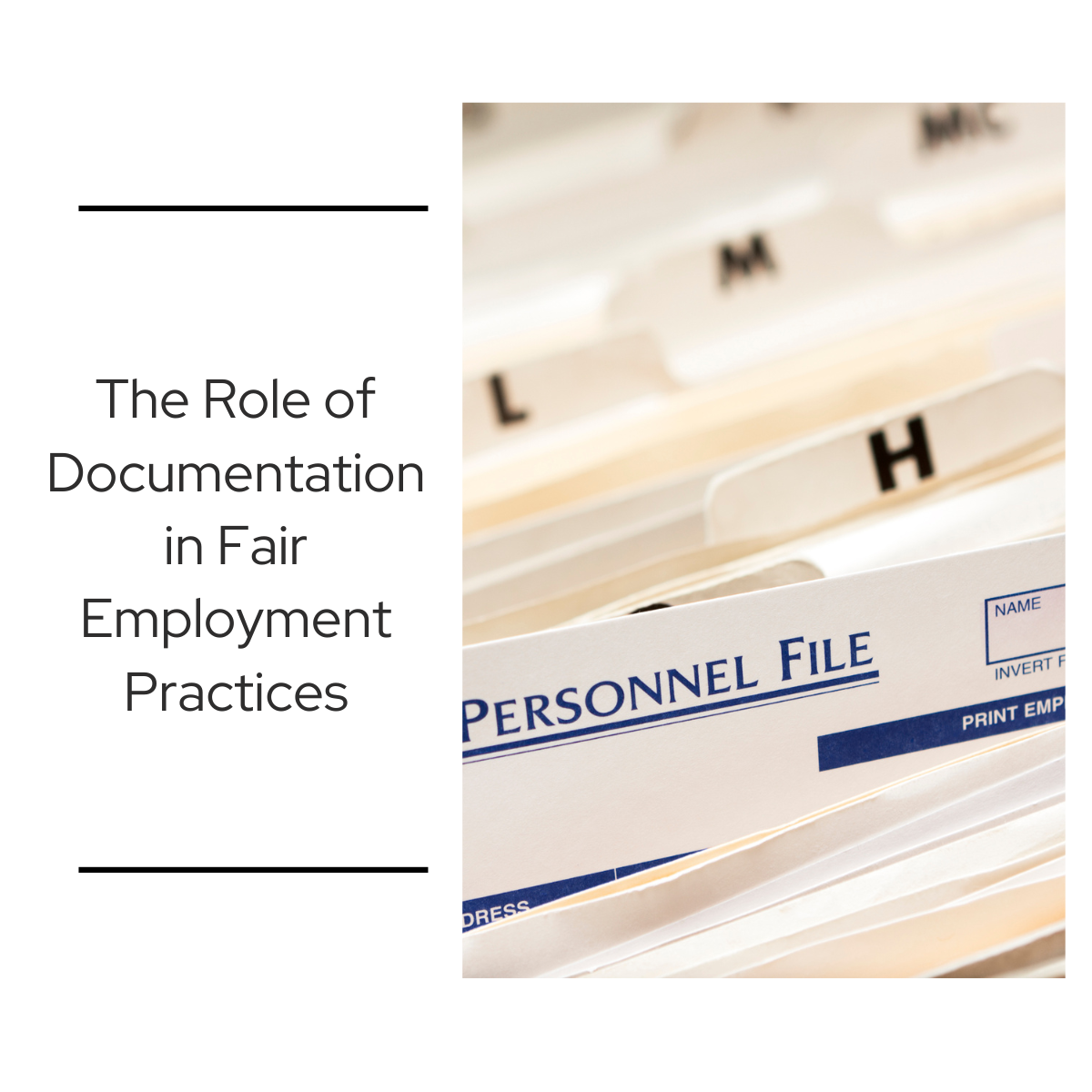
When an employment-related complaint surfaces, one of the first questions asked is simple: what was documented at the time? In light industrial operations, that question can be difficult to answer. Workforces turn over quickly, supervisors are stretched thin, and paperwork rarely feels urgent when production is the priority. The result is a documentation gap that leaves both the employer and the staffing partner exposed. Closing that gap requires more than reminders to write things down. It requires a staffing partner that comes into the relationship with documentation standards already set.
Documentation as a Standard, Not a Reaction
Most documentation problems in contingent workforce arrangements happen because records are created in response to problems rather than as a matter of routine. A worker is separated and documentation is assembled after the fact. A pattern of absences becomes an issue and no one can produce a consistent record. A complaint is filed and the paper trail is thin on both sides.
A staffing partner operating at a high standard does not wait for those moments. Documentation begins at placement and runs continuously through the life of the assignment. Onboarding records, verified work eligibility, policy acknowledgments, safety training completion, attendance, performance notes, and any corrective actions are all maintained as part of how the relationship is managed. That discipline is not reactive. It is the baseline.
Why the Standard Has to Come From the Staffing Partner
In a co-employment arrangement, your staffing partner is the employer of record for placed workers. That legal relationship means the documentation obligation rests primarily with them. They are the ones responsible for maintaining compliant records, applying consistent practices across placements, and ensuring that every personnel decision involving their workers can be supported in writing.
That also means the standard cannot be set by the client site and hoped for by the staffing partner. It has to come from the staffing partner first. When it does, the client site benefits directly. Supervisors on your floor are not starting from scratch when a concern arises. They are feeding information into a system that already exists, managed by a partner who already knows what to do with it.
What Consistent Documentation Actually Protects
Solid documentation protects both sides of the staffing relationship, and it does so in ways that go beyond defending against claims. A complete record of attendance and performance supports better workforce decisions. Clear documentation of corrective actions protects supervisors who handled a situation appropriately. Consistent records across placements demonstrate that the same standards apply to every worker regardless of shift, department, or tenure.
That consistency matters a great deal when employment practices are scrutinized. Unequal treatment is often less about intent and more about inconsistency in what got recorded. When the staffing partner sets and maintains a uniform documentation standard across all their placements, that inconsistency risk drops significantly for everyone involved.
How the Client Site Fits Into That Standard
Your supervisors are observing performance on the floor every day. Their observations are valuable, and they need a clear, simple way to feed that information to the staffing partner so it becomes part of the official record. A well-run staffing partner makes that easy. They provide a defined channel for reporting concerns, confirm receipt, and handle the formal documentation from there. The ask on your supervisors is not to become HR practitioners. It is to communicate what they see through the process their staffing partner has already established.
When that process works well, accountability is shared without being duplicated. Your team handles what happens on your floor. Your staffing partner handles the record.
The Question Worth Asking Your Current Partner
If you are not sure whether your staffing partner is operating at this standard, the answer is usually visible in how they respond to a direct question about it. Ask what records they maintain for every placed worker. Ask how they handle a corrective action or separation. Ask how they ensure consistent documentation practices across all their client placements. A partner with strong standards will answer those questions without hesitation.
A partner without them will find the questions harder to answer than they should be. That gap in confidence is worth paying attention to before a documentation issue gives you a reason to wish you had.
Final Thoughts
Fair employment practices are built on records that reflect consistent, documented treatment of every worker. In light industrial operations with high workforce activity and significant contingent labor, that record cannot be an afterthought. The right staffing partner brings documentation standards into the relationship from the start, maintains them throughout every placement, and creates a foundation that protects both sides. That is not a nice-to-have. It is part of what working with a qualified partner should mean.
Want to learn more about how a staffing partner can bring stronger documentation standards to your operation? Get in touch with our team.