
Managing Seasonal Ramp-Up Without Overtime Burnout
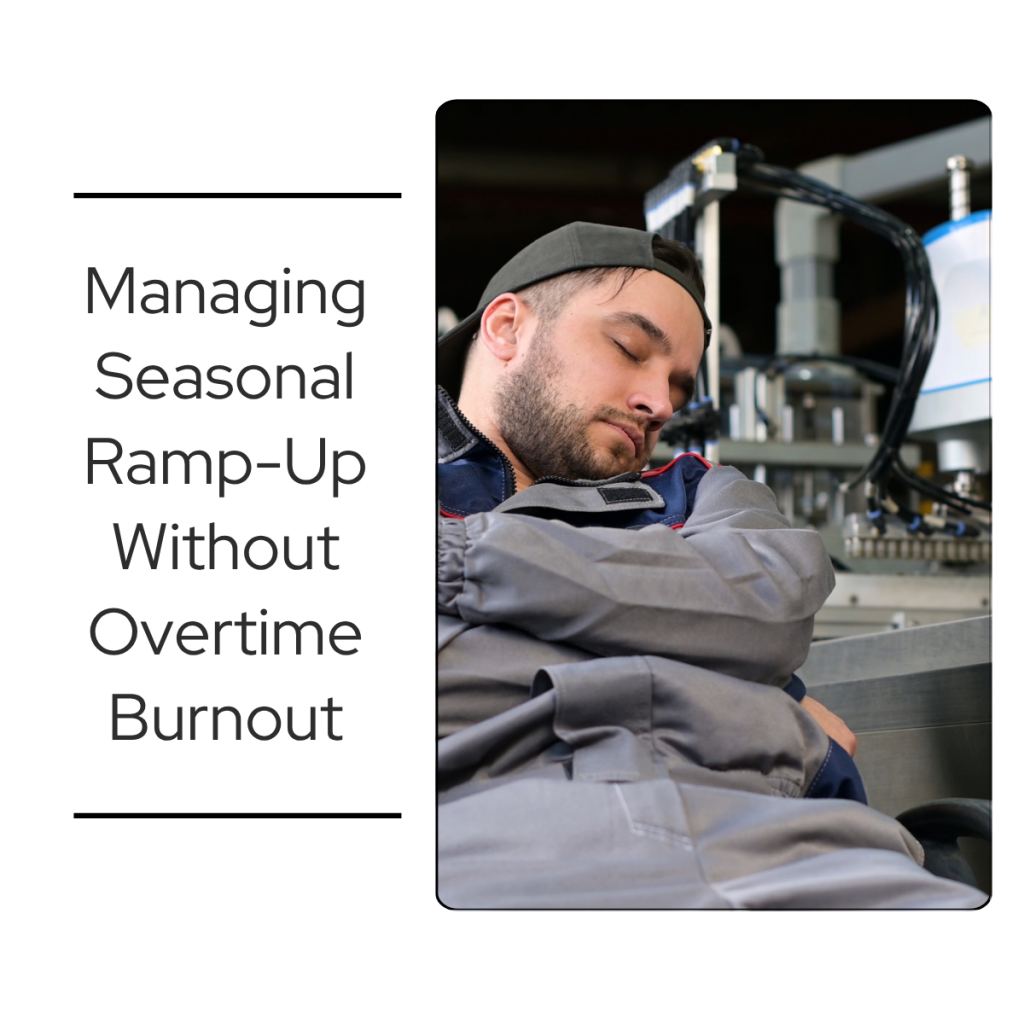
Peak season adds volume fast, and the first move in most plants is the same: add hours to the current team. Overtime does not require new hiring or new onboarding, which makes it the easiest lever to reach for. It is also the one with the shortest runway. What Extended Hours Actually Cost The U.S. […]
Peak Season Workforce Planning Starts Now

Manufacturers know the fourth quarter does not wait for anyone. Retail replenishment, holiday production runs, and year end order surges arrive on a fixed calendar, whether a facility is staffed for them or not. Peak season workforce planning has to start well before volume actually climbs, because the lead time for finding, vetting, and training […]
What Your Staffing Partner Should Be Documenting
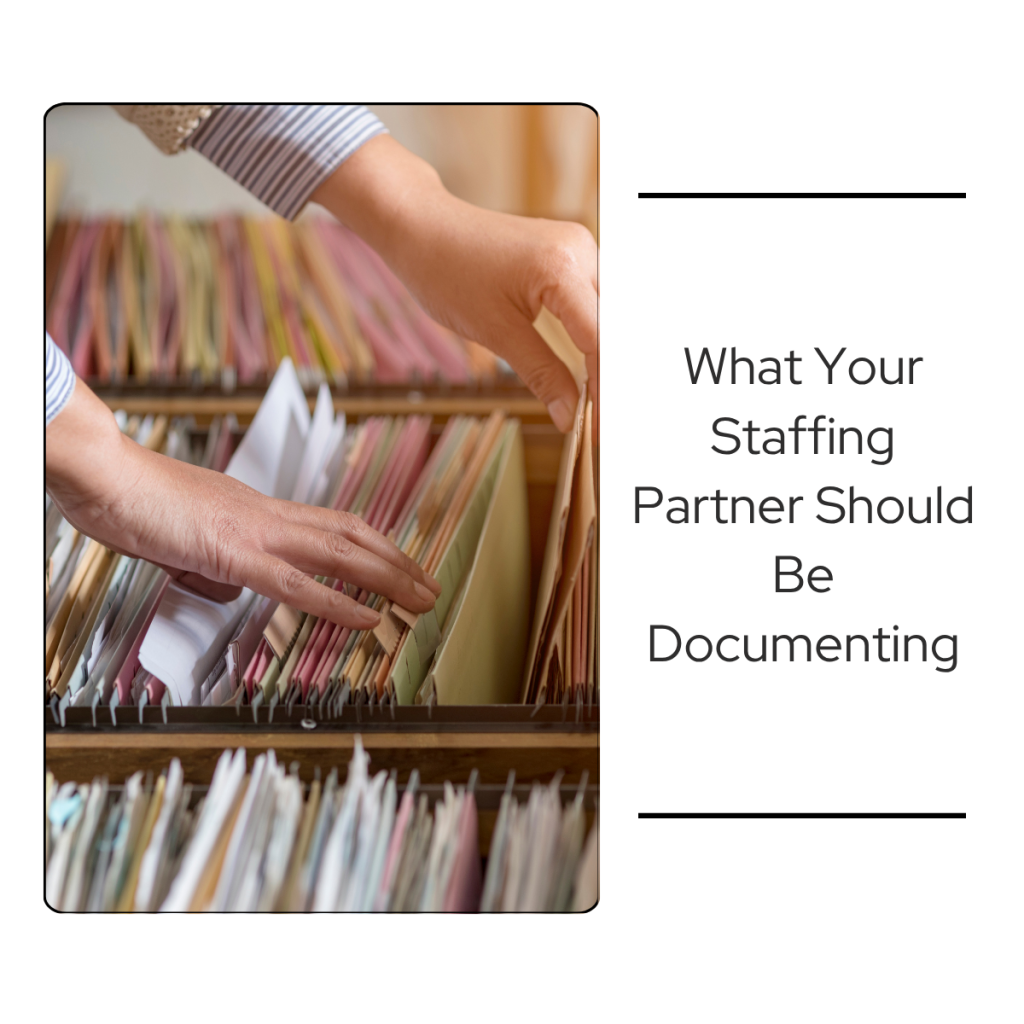
Every shift that starts with a temporary worker on the floor also starts with a paper trail. Onboarding forms, safety training records, attendance logs, incident reports. Most operations leaders never think about this documentation until something goes wrong. By then, it is often too late to fix a gap that should have been closed months […]
Is Your Staffing Partner Tracking Attendance?
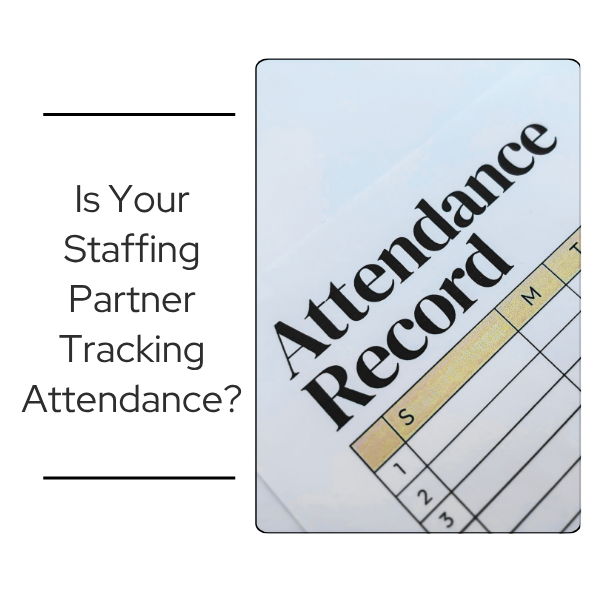
A no-show on a production line costs more than one shift. It costs the supervisor reworking the schedule, the coworkers absorbing the extra load, and the output target that quietly slips. By the time a pattern is noticed, it has usually already cost more than one bad day. The data to catch that pattern earlier […]
Correcting Temporary Workers: Who to Call and When

A supervisor catches a temporary worker doing something wrong: a step skipped, a process shortcut, a safety procedure ignored. In the moment, the supervisor corrects it, and most of the time that is the end of it. But sometimes the same issue keeps showing up, and the question becomes whether this is still something to […]
Temporary Worker Communication: Closing the Gaps
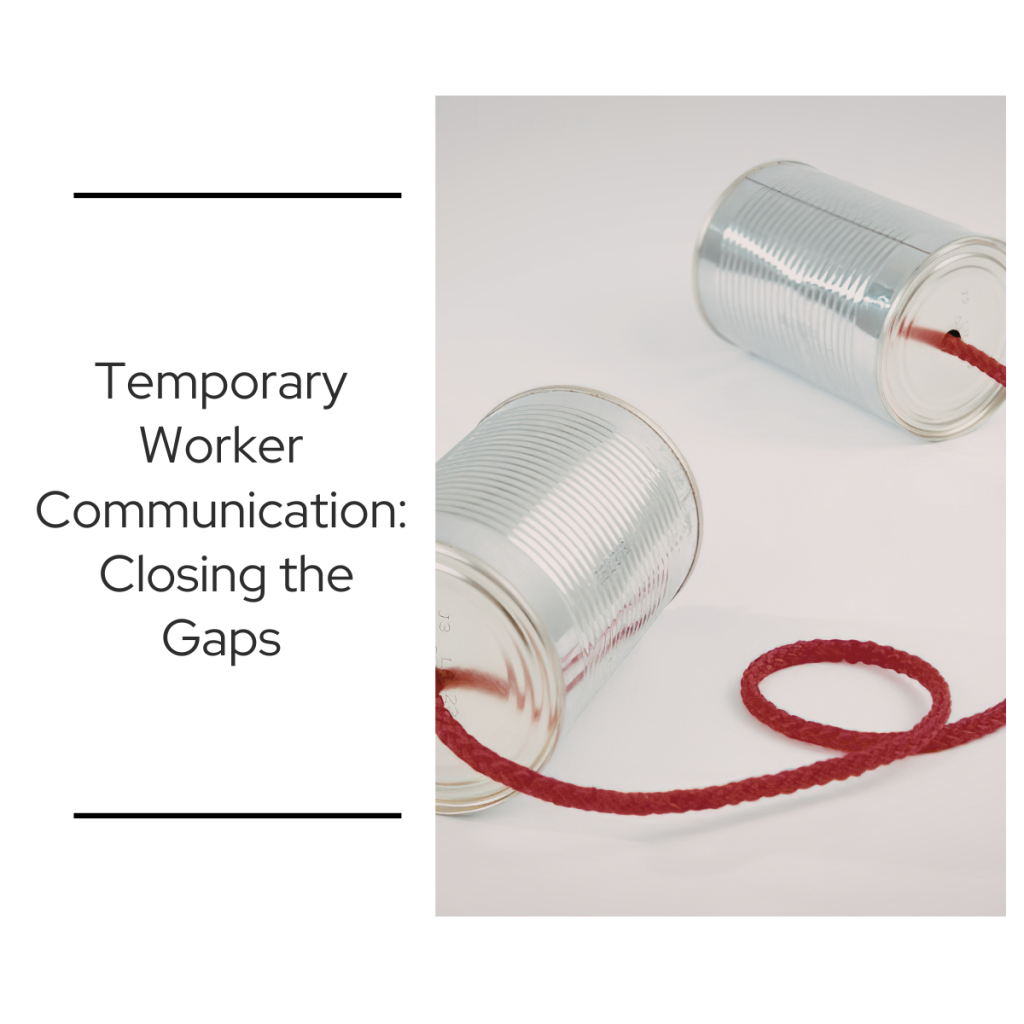
Temporary worker communication is where a lot of production problems quietly begin. A machine operator misunderstands a safety procedure, or a picker gets conflicting directions from two supervisors, and the cost shows up fast: rework, missed quotas, sometimes an injury. Temporary workers face this risk more than most. They are new to the facility, unfamiliar […]
How Safety Performance Reveals the Quality of Your Staffing Partner

National Safety Month is a good time to ask a harder question: is your staffing partner holding up their end of the safety equation? Many operations leaders treat safety as something that lives entirely inside their own walls. Supervisors run toolbox talks. The facility tracks incident rates. But a meaningful share of safety outcomes for […]
What Supervisors Need to Know About Temporary Worker Safety
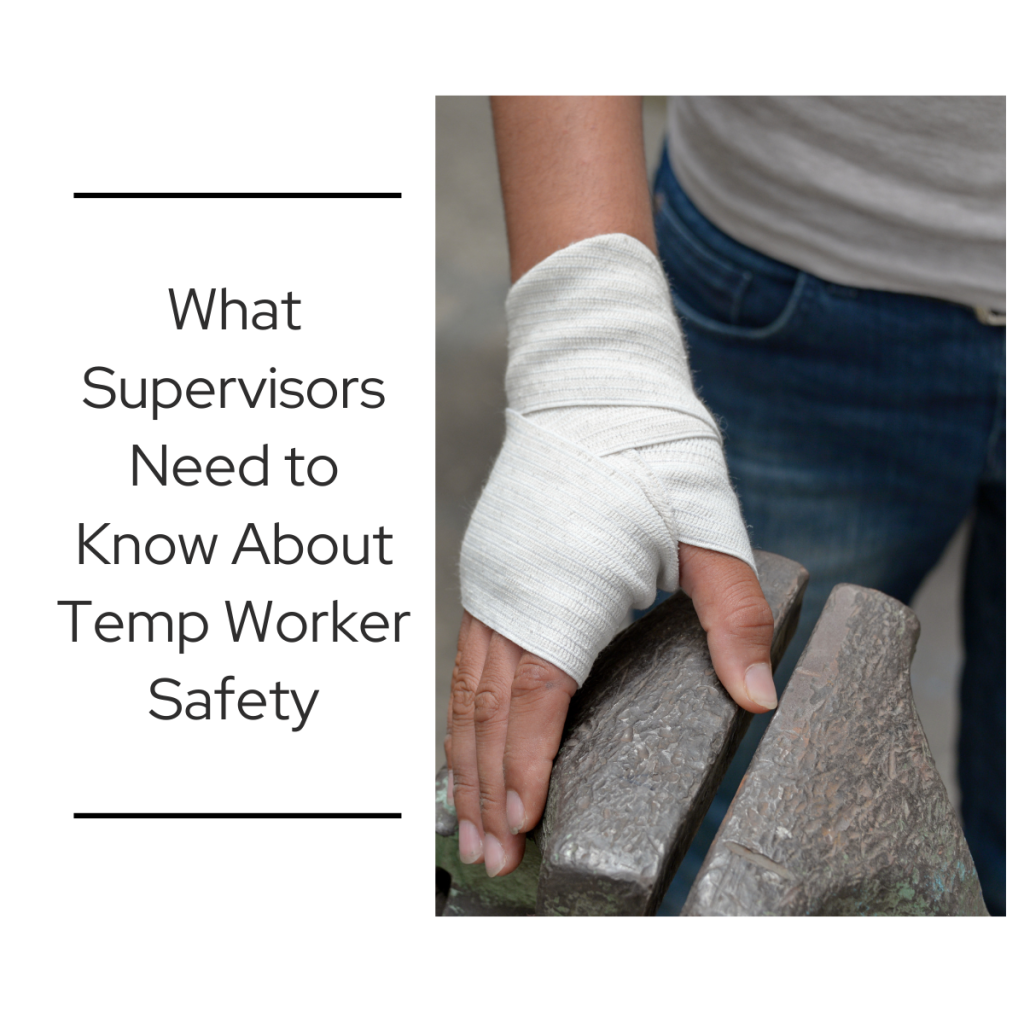
When a temporary worker gets hurt on your floor, the question of who is responsible does not have a simple answer. It involves your facility, your staffing partner, and the supervisors managing day-to-day work. Understanding how that responsibility is distributed helps operations leaders set realistic expectations, avoid gaps, and protect workers who are often the […]
Onboarding and Safety: Why the First Two Weeks Are the Highest-Risk Period

New workers get hurt more than experienced ones. That is not a controversial claim, it is a well-documented pattern in manufacturing, warehousing, and distribution environments. The first two weeks on any industrial floor represent a disproportionate share of recordable incidents, near-misses, and first-aid events. Workers are still learning where the hazards are, what the pace […]
Preparing Your Hiring Process for Peak Demand

Every year, the same thing happens. Volume increases, orders stack up, and the pressure to staff up fast hits before the hiring process is ready to handle it. The result is rushed decisions, inconsistent onboarding, and workers who are not set up to succeed. Peak demand is not a surprise. The hiring process should not […]