
How Safety Performance Reveals the Quality of Your Staffing Partner
National Safety Month is a good time to ask a harder question: is your staffing partner holding up their end of the safety equation? Many operations leaders treat safety as something that lives entirely inside their own walls. Supervisors run toolbox talks. The facility tracks incident rates. But a meaningful share of safety outcomes for […]
What Supervisors Need to Know About Temporary Worker Safety
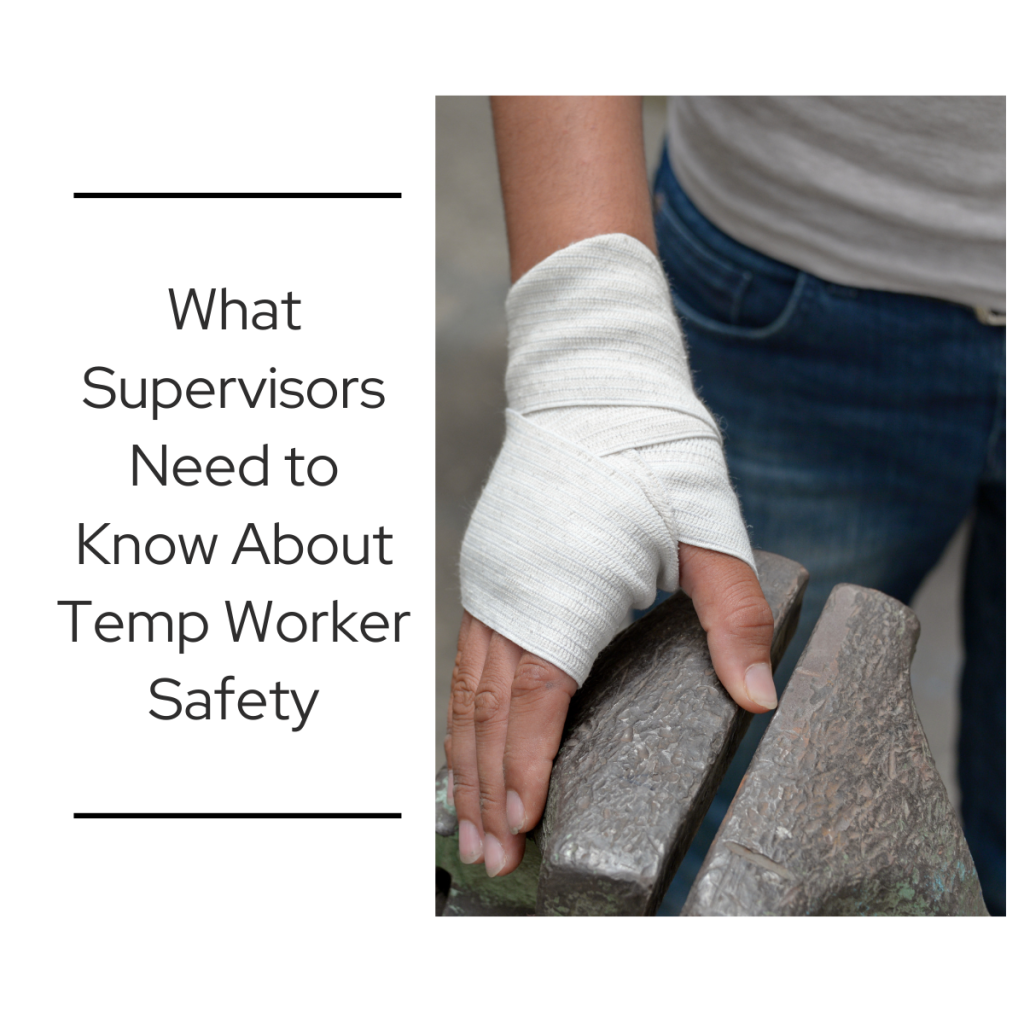
When a temporary worker gets hurt on your floor, the question of who is responsible does not have a simple answer. It involves your facility, your staffing partner, and the supervisors managing day-to-day work. Understanding how that responsibility is distributed helps operations leaders set realistic expectations, avoid gaps, and protect workers who are often the […]
Onboarding and Safety: Why the First Two Weeks Are the Highest-Risk Period

New workers get hurt more than experienced ones. That is not a controversial claim, it is a well-documented pattern in manufacturing, warehousing, and distribution environments. The first two weeks on any industrial floor represent a disproportionate share of recordable incidents, near-misses, and first-aid events. Workers are still learning where the hazards are, what the pace […]
Preparing Your Hiring Process for Peak Demand
Every year, the same thing happens. Volume increases, orders stack up, and the pressure to staff up fast hits before the hiring process is ready to handle it. The result is rushed decisions, inconsistent onboarding, and workers who are not set up to succeed. Peak demand is not a surprise. The hiring process should not […]
What Candidates Look for in Manufacturing Roles
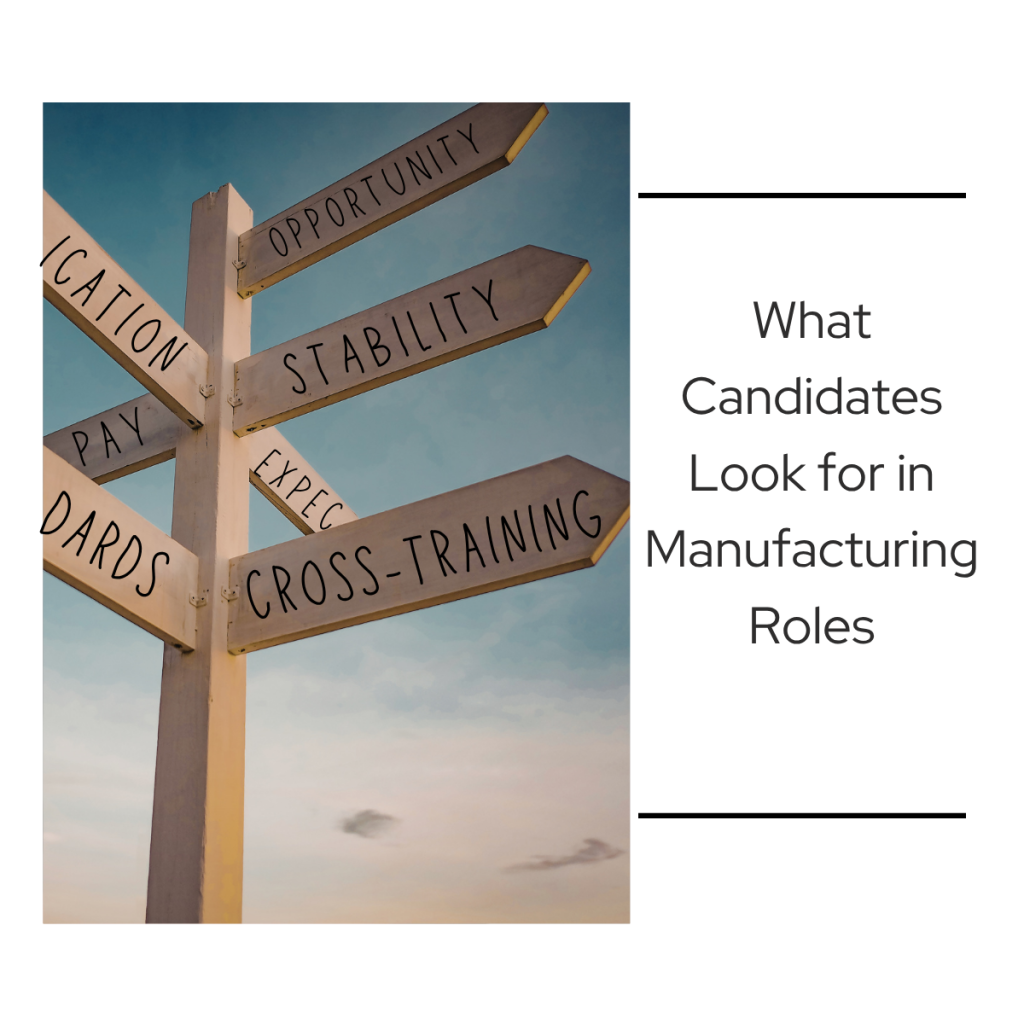
Most hiring conversations in light industrial environments are framed around what employers need: attendance, reliability, the ability to meet production targets. That framing isn’t wrong. But it’s only half the conversation. The candidates you most want to hire, the ones who show up, stay, and perform, are evaluating you too. And if your operation isn’t […]
Speed vs. Quality in Industrial Hiring
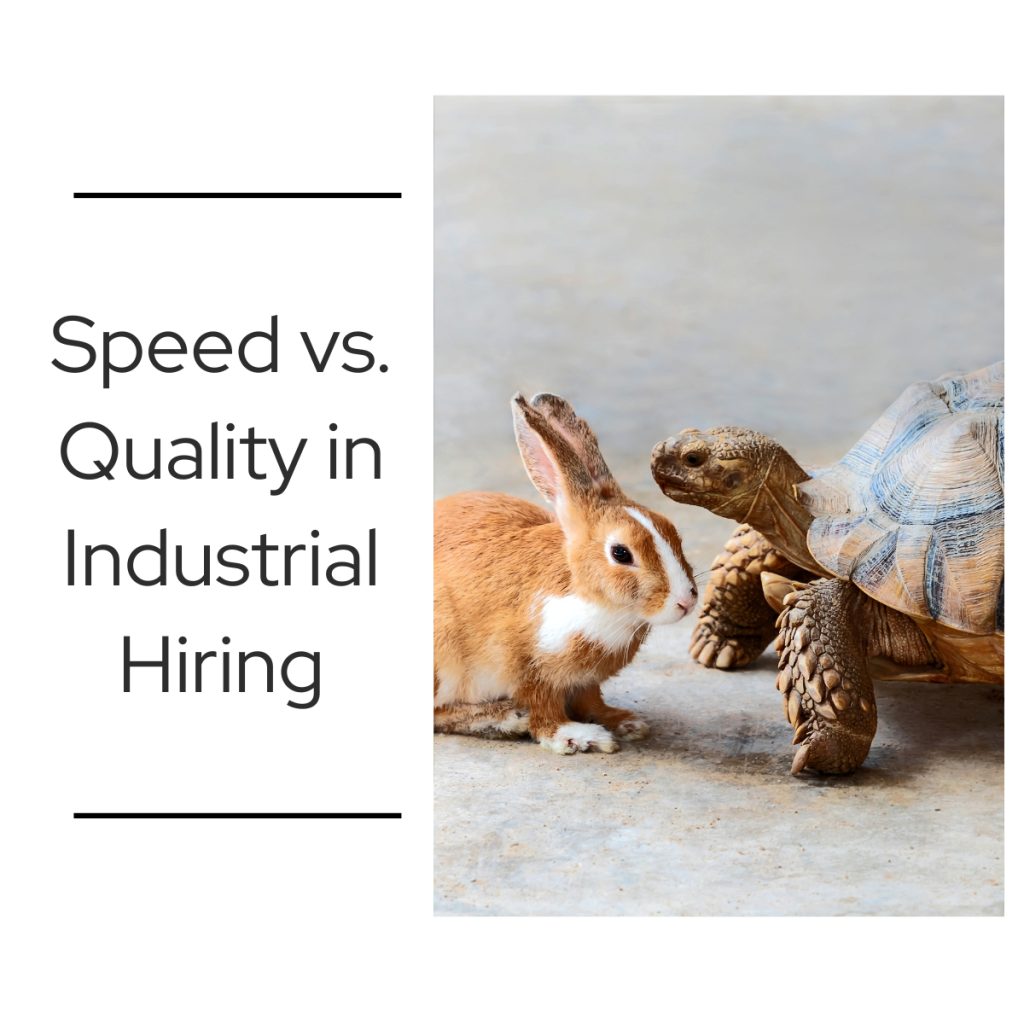
There’s a tension that runs through nearly every hiring decision in manufacturing, warehousing, and distribution: the pressure to move fast versus the need to hire well. Production floors don’t hold still while positions stay open. Supervisors absorb the gap, other workers feel the strain, and every day a role sits unfilled has a cost attached […]
Hiring for Reliability, Not Just Availability
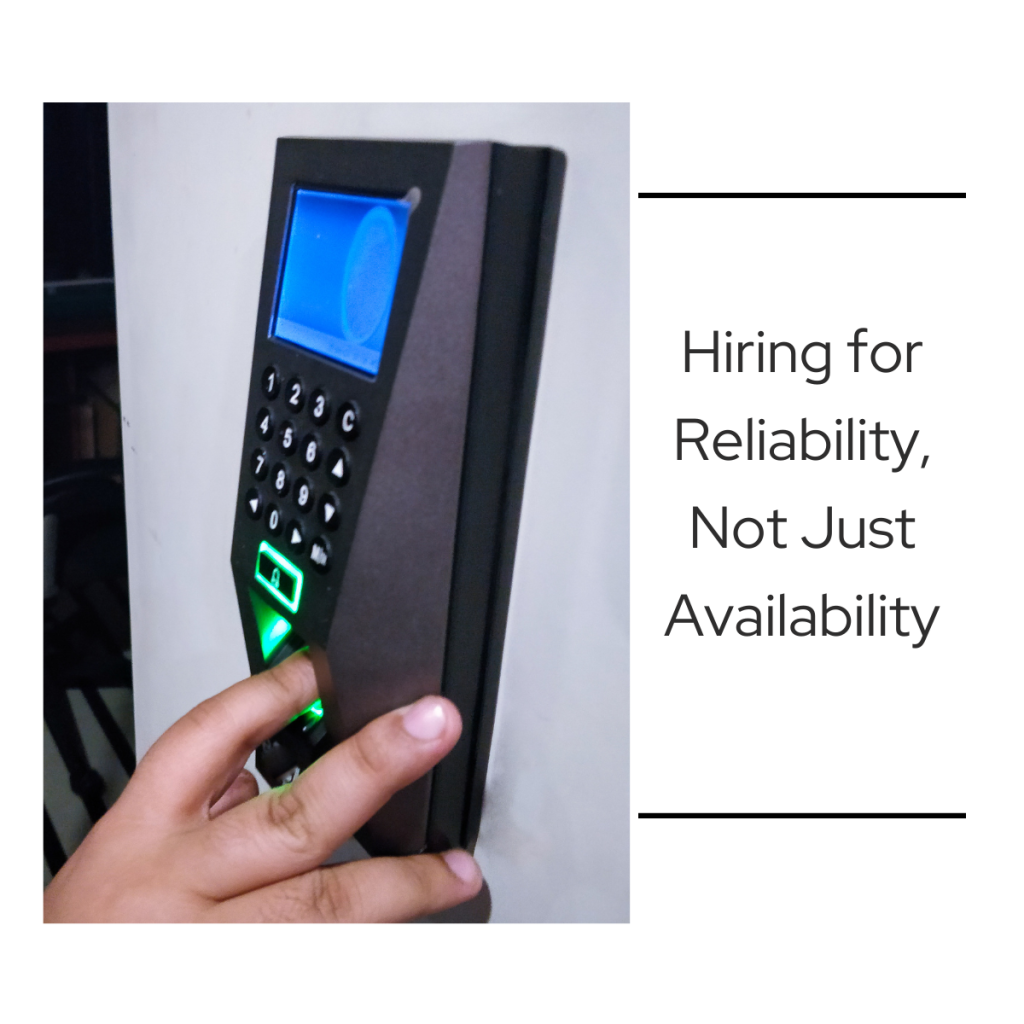
When a position opens up in a manufacturing, warehousing, or distribution environment, the pressure to fill it is immediate. Production doesn’t pause. Supervisors start absorbing the gap. Other workers feel it. The instinct is to move fast and get someone in the door. That instinct makes sense. It also leads to some of the most […]
Building Consistency Across Shifts and Locations

If your second shift runs differently than your first, or one facility operates like a different company than another, the problem may not be on your floor. It may be coming through your front door. Workforce inconsistency in light industrial operations is often treated as an internal problem: a supervision issue, a training gap, a […]
The Hidden Cost of Inefficient Workforce Processes
Most managers know when something is off on the floor. Shifts run short. Output slips. Good workers leave before you figure out why. What doesn’t always get tracked is how much that costs, and where the money is actually going. Inefficient workforce processes rarely show up as a single line item. They bleed into labor […]
Reducing Rework Through Clear Job Expectations
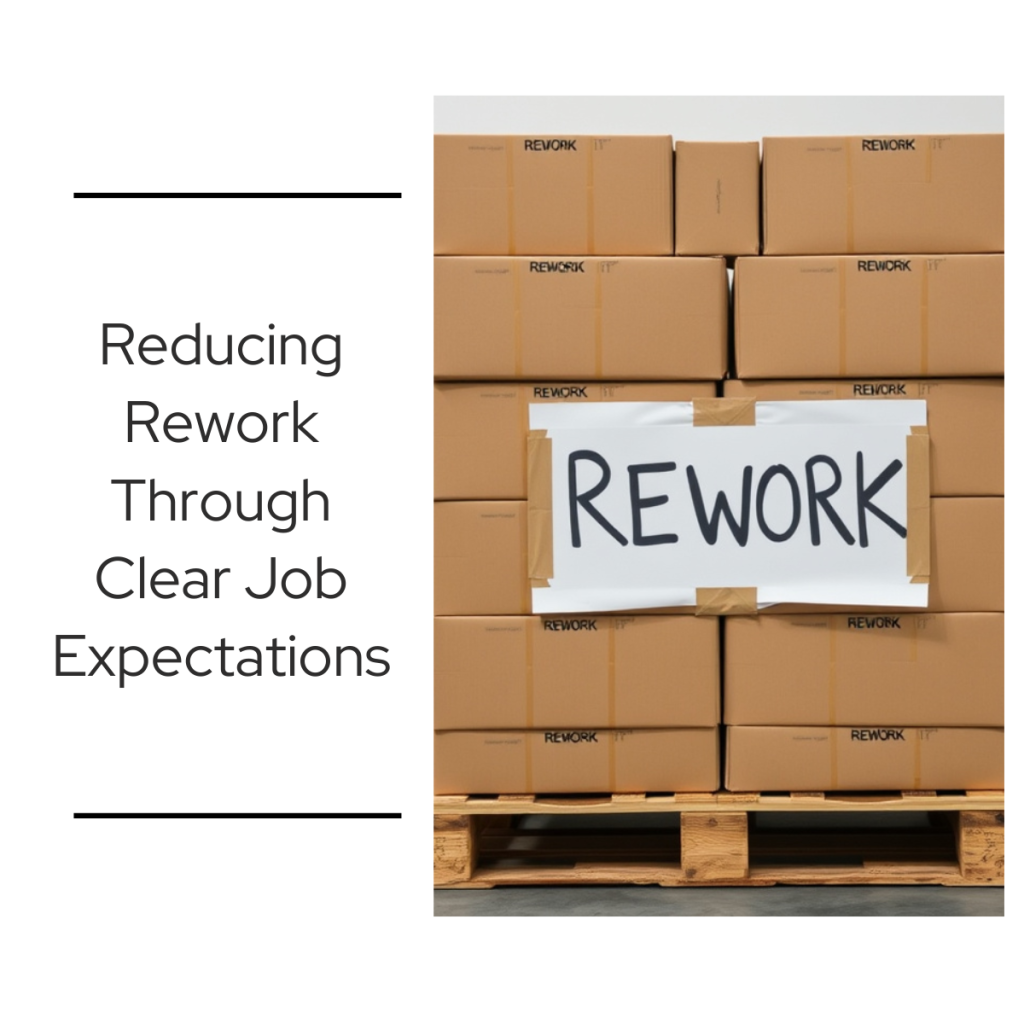
Rework does not show up as a line item on most budgets. It shows up as extra time on a shift, scrapped materials, late orders, and supervisors spending their day fixing problems instead of running production. By the time it is visible, it has already cost more than most operations realize. The cause is rarely […]